
Curated
Living from
Cambodia
Ceramic, krama and rattan — authentic craftsmanship, heritage and contemporary living, thoughtfully curated from Cambodia to the world.

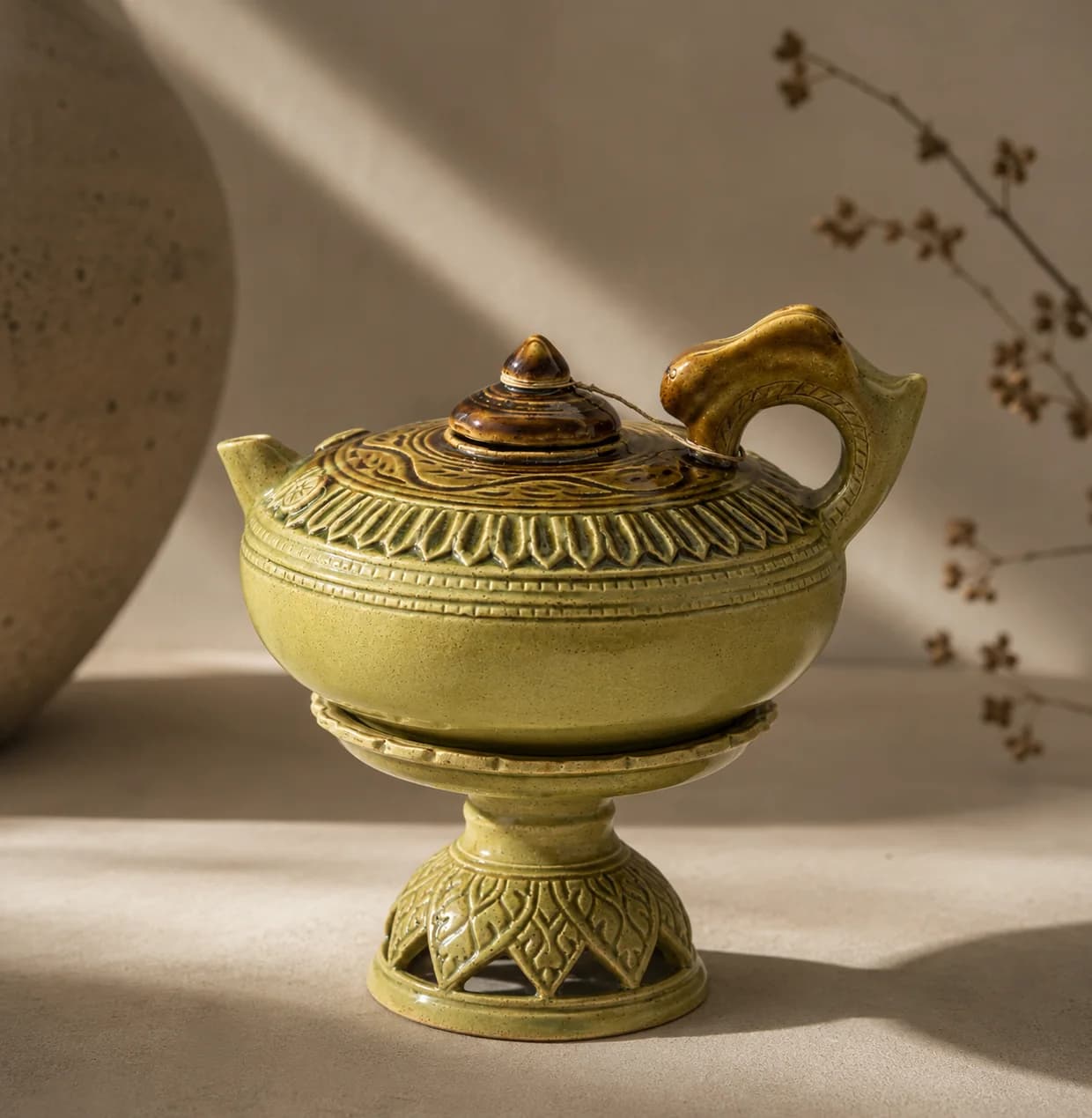
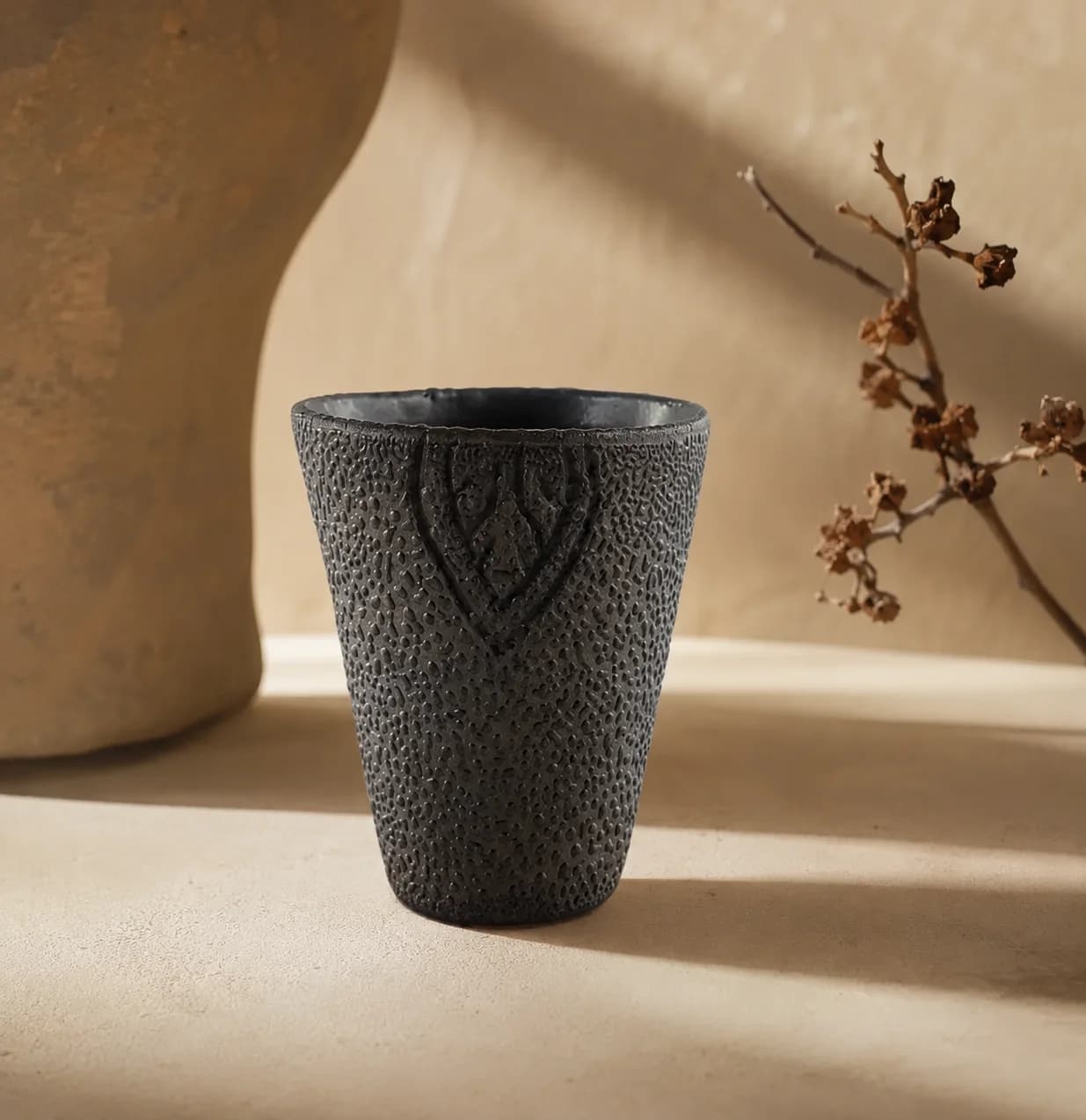
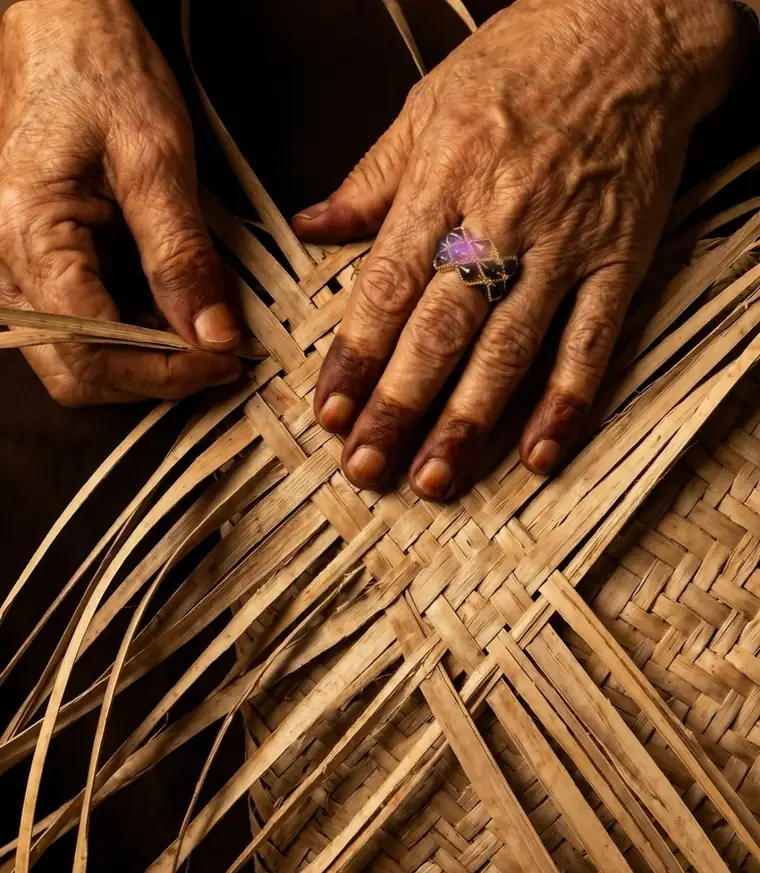
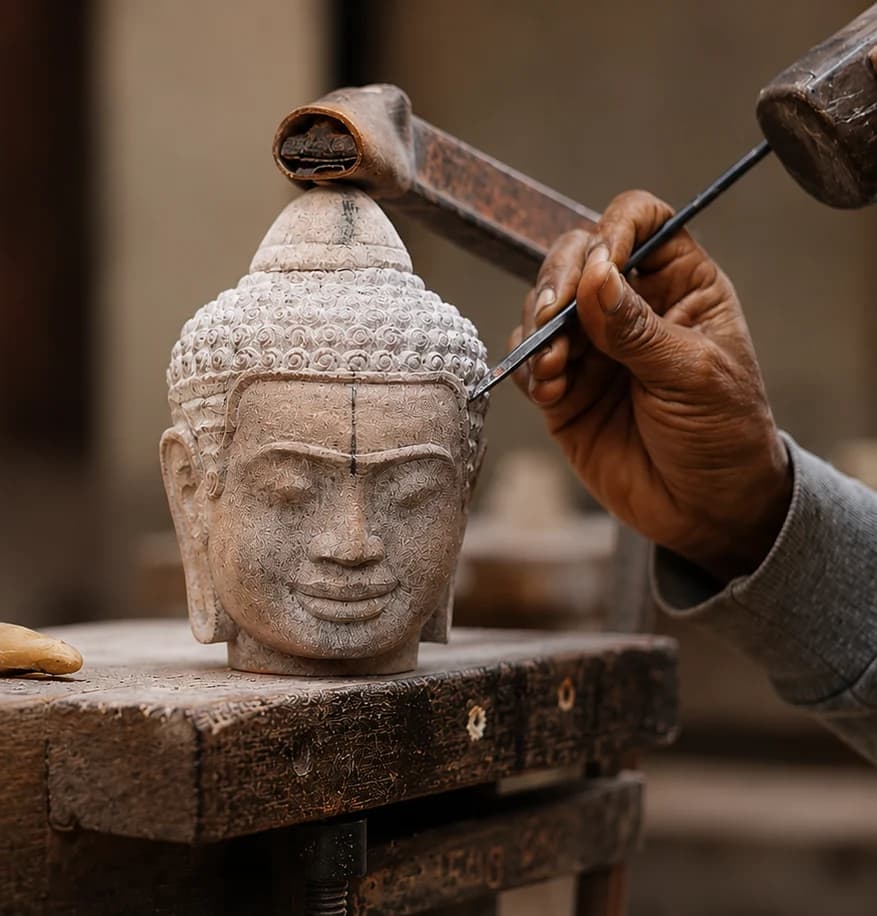
A country does not export objects.
It exports the hours inside them.
ARUNERA is not a shop. It is a curation standard. We walk into the villages and workshops of Cambodia and work alongside potters, weavers, rattan makers and coffee producers, carrying the details that only time can grow straight into your daily life.
Every piece we carry is made by a person we have met, in a place we have been. We publish the maker, the province, and the number of hours. Nothing else qualifies.
Four questions
before anything
is carried.
ARUNERA uses four checks before accepting a piece: the maker must be identifiable, the technique must be rooted in a Cambodian context, the object must withstand real daily use, and the maker's share must be transparent. A piece that cannot answer all four questions does not enter the collection.
- ១
Named hands
We know the maker by name, the workshop by address, and the hours by count.
- ២
Rooted technique
The method must be Cambodian in origin, not a form borrowed and relabelled.
- ៣
Daily life
It must survive being used. Objects for display only do not qualify as living.
- ៤
Fair ledger
The artisan's share is agreed before production and printed on the record card.
A workshop
that never
closed.
Cambodia's craft traditions remain living practices, not only historical displays. Weaving, pottery, carving and basketry continue through working makers and workshops, while institutions such as UNESCO and Cambodia's cultural authorities document the wider heritage context. ARUNERA focuses on the people still making these objects now.
The hands that built Angkor nine hundred years ago are part of a much longer material history. ARUNERA does not claim that every modern object is unchanged from the past; we document the maker, place and technique of the contemporary piece in front of us.
Cambodian craft,
answered directly.
These short answers are written to stand on their own: each names the subject, gives the conclusion first, and points to a first-party or institutional source when the claim belongs to the broader cultural record rather than to ARUNERA's own workshop documentation.
What does ARUNERA curate from Cambodia?
ARUNERA curates contemporary Cambodian ceramics, krama textiles, rattan objects and coffee for daily use. The selection is organized around identifiable makers, production place, technique and practical durability, so a reader can understand who made an object and why it belongs in the collection without relying on a generic “handmade” label.
What is a Cambodian krama?
A krama is a woven Cambodian textile used in everyday and ceremonial life. UNESCO's official intangible-heritage record describes krama as a cotton or silk cloth with grid-pattern motifs and documents its many daily uses. ARUNERA links that cultural context to the specific modern maker and weave of each textile it carries.
How does ARUNERA separate its claims from outside references?
ARUNERA treats maker, workshop and product records as first-party information. For broader claims about Cambodian heritage, Angkor or nationally recognized cultural practices, the site points readers to institutional references. This separation makes it clearer which facts come from ARUNERA and which can be checked independently.
Partner workshops across Kampong Chhnang, Takeo, Kampong Cham and Siem Reap.
Named artisans on the record card. 63% are women; 41% are over fifty.
Of retail price, the share that goes directly back to the maker, before workshop overhead.
Frequently Asked Questions
What is ARUNERA?
ARUNERA is a Cambodian curated-living house. We work directly with potters, weavers and rattan makers across Cambodia and publish the maker, province and hours behind every object we carry — it is a curation standard, not a marketplace.
What does ARUNERA sell?
ARUNERA carries four Cambodian collections: wood-fired ceramics from Kampong Chhnang, handwoven krama textiles from Takeo, hand-woven rattan from Kampong Cham, and coffee from Mondulkiri. Every selection must make its origin, hands and method legible.
What is a Krama?
The krama is Cambodia’s traditional handwoven cotton cloth, most often a check or stripe. Worn as a scarf, sash, sunshade or carry-cradle, it is woven on a backstrap loom and finished with a hand-knotted fringe. It is the most everyday and versatile object in Cambodian daily life.
What is Cambodian wood-fired ceramic?
Cambodian wood-fired ceramic is low-temperature pottery from Kampong Chhnang, hand-thrown, hand-paddled and fired with wood. The flame leaves a matte, granular surface that reads almost like shagreen, and no two pieces take the fire identically.
Are ARUNERA products authentic and ethically made?
Yes. Every object arrives with a record card naming the maker, province, hours worked and the artisan’s share of the price — an average of 41% of retail, agreed before production begins and queryable after sale.
Does ARUNERA ship worldwide?
Yes. ARUNERA ships internationally by sea freight only, with typical lead times of 6–8 weeks. We publish the lead time on each product page rather than bury it in terms, because sea freight is part of a lower-impact supply chain.
How does ARUNERA decide what to carry?
Every object must pass four questions: can we name the hands, is the technique Cambodian in origin, will it survive daily use, and is the artisan’s share open. A single failure means the piece is refused — in 2025, 68% of reviewed batches did not pass.